Trading Commodities: The Raw Material Edge
1. What are Commodity Markets?
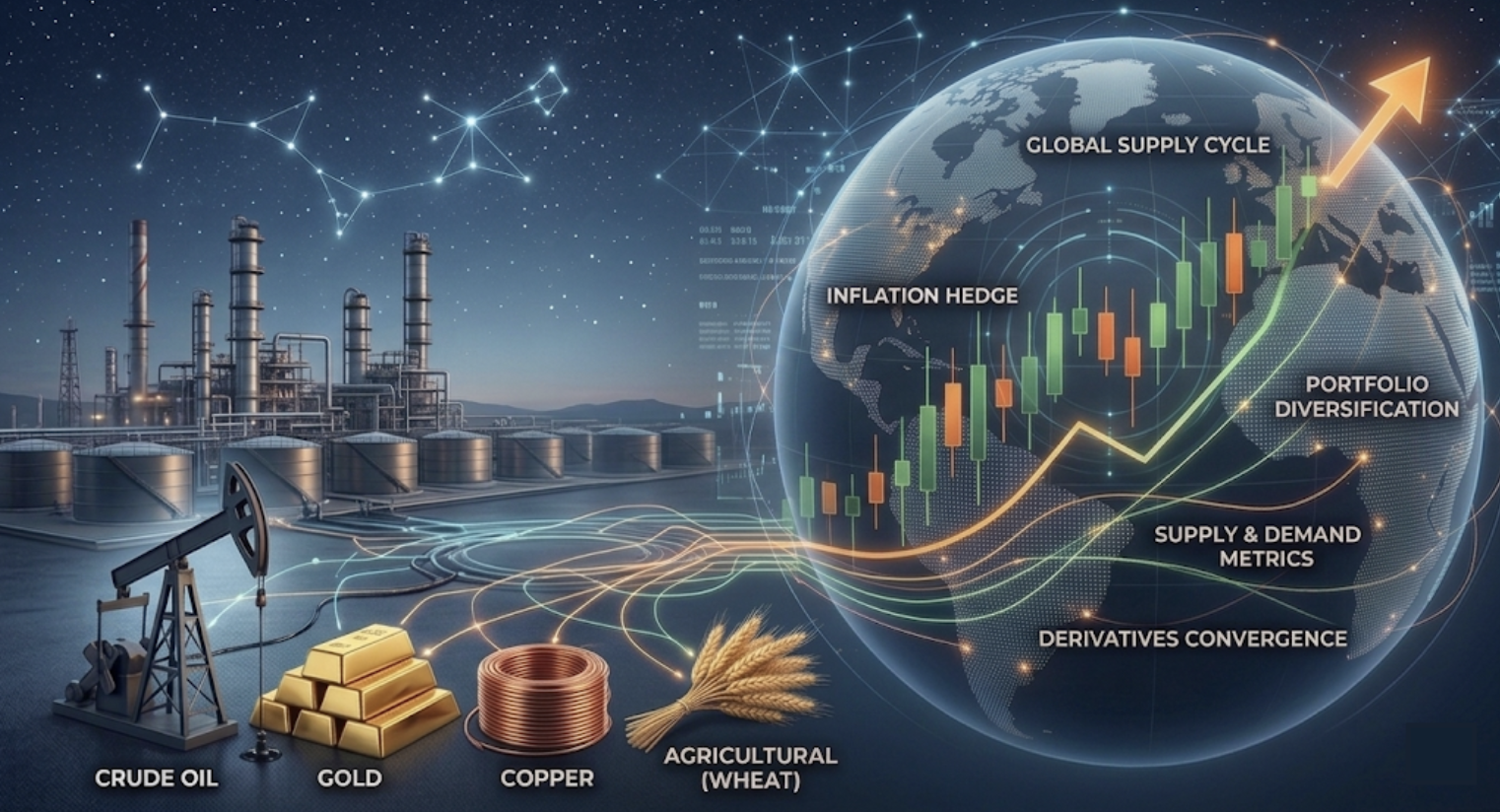
A commodity market is a physical or virtual marketplace for buying, selling, and trading raw or primary products. For investors, commodities are often used as a hedge against inflation and a way to diversify a portfolio beyond traditional stocks and bonds.
Commodities are generally split into two categories:
- Hard Commodities: Natural resources that must be mined or extracted (e.g., Gold, Crude Oil, Copper).
- Soft Commodities: Agricultural products or livestock (e.g., Wheat, Coffee, Sugar, Cotton).
2. How to Trade Commodities
Unlike buying a stock, where you own a piece of a company, commodity trading often involves the future value of the good. There are several ways to gain exposure:
- Commodity Futures Contracts: An agreement to buy or sell a specific amount of a commodity at a set price on a specific date.
- Hedgers: Producers like farmers use these to lock in prices.
- Speculators: Traders betting on price movements for profit.
- Commodity ETFs and Mutual Funds: The most accessible route for individual investors, tracking specific prices or baskets of goods.
- Stocks of Commodity Producers: Buying shares in mining or energy giants. These carry operational risks alongside commodity price exposure.
- Physical Ownership: Common for precious metals like Gold and Silver, stored in secure vaults.
3. What to Consider While Trading
Commodity markets are unique and require a different logic than equity markets:
- Supply and Demand Shocks: Commodities are highly sensitive to "Acts of God." A drought in Brazil can skyrocket coffee prices, while a geopolitical conflict can spike oil prices.
- The "Basis" and Storage Costs: If you hold a futures contract, you must account for the "cost of carry"—the expense of storing and insuring the physical good.
- Leverage Risk: Futures trading often involves high leverage. A small move in the price can result in a massive gain or a total loss of your initial margin.
- Inverse Correlation to USD: Most global commodities are priced in U.S. Dollars. Generally, when the USD strengthens, commodity prices tend to fall.
4. Why Trade Commodities?
Investors include commodities in their portfolio for two primary reasons:
- Inflation Hedge: Commodities usually rise in price when inflation accelerates, protecting your purchasing power.
- Diversification: They often have a low correlation with stocks and bonds, providing stability when traditional markets are volatile.
Conclusion
Trading commodities requires understanding global supply chains and macroeconomic factors. By treating raw materials as a distinct asset class, you can build a more resilient and inflation-protected portfolio.